-
 play_arrow
Praise 24/7 NO Today's Best Gospel


Spike Lee Helped Redefine Black Storytelling In Hollywood.
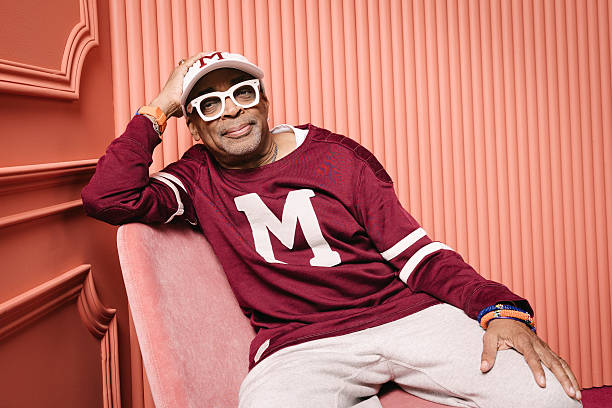
Spike Lee Helped Redefine Black Storytelling In Hollywood.
(ThyBlackMan.com) A lot of brothers my age remember when a Spike Lee movie actually felt like something important was about to happen. You did not just walk into the theater looking for explosions or mindless entertainment. Nah, you knew Spike was bringing conversation with him. Folks were going to laugh, argue, get uncomfortable, maybe even leave irritated, but one thing was guaranteed. People were going to talk afterward. That is how powerful his work became inside Black communities. His films carried the sound of our neighborhoods, the tension inside our homes, the style, the slang, the music, and the frustration many brothers carried every single day.
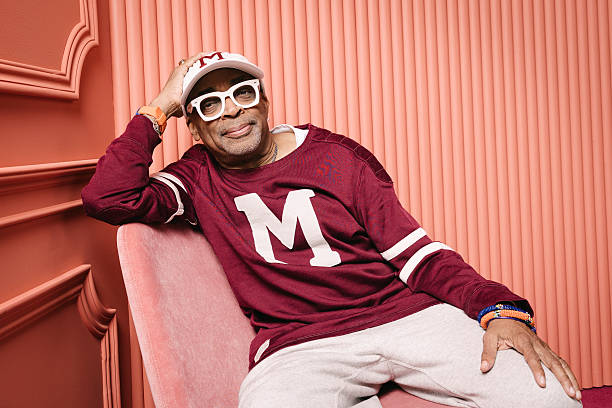
Before Spike really shook Hollywood up, Black movies often felt filtered down too much. Studios wanted stories safe enough not to scare mainstream audiences. Spike never seemed interested in playing that game. His characters talked like people we actually knew. The neighborhoods looked lived in. Cats sweating on hot Brooklyn blocks. Old heads sitting outside watching everything happening around them. Young brothers trying to survive while carrying pressure they barely understood themselves. Nothing felt overly cleaned up for approval. That honesty hit different.
A lot of that perspective probably comes from the fact Spike is a proud graduate of Morehouse College. Brothers who understand HBCU culture know those spaces shape you mentally. There is pride there. Debate. Black history. Confidence. Style. Community. You can feel that influence running through Spike’s work because his movies carry the energy of somebody deeply connected to Black people instead of somebody studying us from afar trying to imitate what he sees.
When School Daze came out, many Black students immediately recognized what Spike was talking about. Colorism. Greek life. Hair politics. Identity struggles. Class differences. He brought all those conversations right onto the screen while other filmmakers probably would have avoided them completely. Some folks got uncomfortable because certain scenes felt too real. But that was Spike’s gift. The brother never ran from uncomfortable truth.
Then Do the Right Thing landed and changed Black cinema forever. Even today that movie still feels alive because America still wrestles with many of the same tensions. Anybody raised around urban neighborhoods recognized the emotional temperature immediately. Hot summer days. Police tension. Frustration sitting underneath conversations. People trying to survive financially while pride and anger keep bumping into each other constantly. Spike captured all of that naturally. The characters did not feel fake. They felt familiar.
One thing I always respected about Do the Right Thing was how Spike trusted audiences enough not to hand them easy answers. Everybody watches that movie differently depending on life experience. Some people defend Sal. Others connect more with Radio Raheem or Mookie. Brothers still debate that ending decades later because real life rarely wraps itself up neatly. Spike understood that complexity.
Then came Malcolm X, and honestly, that picture felt bigger than Hollywood. Spike knew exactly how important Malcolm X remained to Black America, so he treated the story carefully instead of turning it into some watered down history lesson. Under Spike’s direction, Denzel Washington gave one of the greatest performances ever seen on screen. Young Black men walked out theaters wanting to learn more about themselves afterward. That kind of impact matters.
What made Malcolm X connect deeply was the humanity inside the storytelling. Malcolm was not shown like some untouchable figure floating above ordinary people. Audiences watched him struggle, evolve, sharpen mentally, and stand stronger in his beliefs over time. A lot of brothers saw pieces of themselves inside that journey because many were trying to rebuild their own lives while fighting through difficult environments.
Another Spike Lee film that really connected inside Black households was He Got Game. That movie understood basketball culture better than most sports films ever made. Spike knew talented young athletes often carry entire neighborhoods on their backs before adulthood even arrives. Family expectations. Coaches chasing money. Friends wanting help. Fathers trying to reconnect. Everybody pulling at one young brother from different directions. That pressure felt real because Spike understood the culture surrounding Black athletes beyond just highlight reels.
Family tension always felt authentic in Spike’s movies too. Fathers and sons arguing awkwardly. Pride getting in the way of communication. Love existing underneath frustration nobody knows how to express properly. A lot of Black men recognized those dynamics immediately because many of us grew up around similar situations. Spike never tried making everybody perfect. His characters felt flawed, emotional, stubborn, funny, intelligent, angry, and human all at once.
Years before social media turned outrage into entertainment, Spike also warned people about exploitation through Bamboozled. Looking back now, that movie almost feels prophetic. Spike questioned how entertainment industries profit from stereotypes and humiliation while audiences casually consume the content without thinking deeply about consequences. At the time, some folks probably missed what he was saying. Today the message feels impossible to ignore.
You can also see Spike Lee’s influence all over today’s Black filmmakers. Directors like Ryan Coogler, Jordan Peele, Ava DuVernay, and Barry Jenkins all create stories centered around Black identity confidently. They bring politics, emotion, culture, trauma, fear, and beauty into their work without apologizing constantly for it. That freedom did not magically appear overnight. Spike spent decades helping kick those doors open creatively.
Of course, not everybody always agrees with Spike Lee. Some people feel he pushes racial conversations too directly. Others think certain films intentionally create discomfort. Truthfully, that may be exactly why his work continues lasting. Art that changes culture usually irritates somebody eventually. Spike never moved like a man interested in blending quietly into Hollywood just to keep everybody smiling around him.
Now before somebody starts naming Crooklyn, Mo’ Better Blues, Inside Man, or BlacKkKlansman, understand these are simply a few personal favorites and examples.
Finish story here; Spike Lee Helped Redefine Black Storytelling In Hollywood.
Similar posts

-

Praise 24/7 Commercial Free
For every Show page the timetable is auomatically generated from the schedule, and you can set automatic carousels of Podcasts, Articles and Charts by simply choosing a category. Curabitur id lacus felis. Sed justo mauris, auctor eget tellus nec, pellentesque varius mauris. Sed eu congue nulla, et tincidunt justo. Aliquam semper faucibus odio id varius. Suspendisse varius laoreet sodales.
close

Post comments (0)