-
 play_arrow
Praise 24/7 NO Today's Best Gospel


When Does a Company Become Liable for an Explosion Accident?
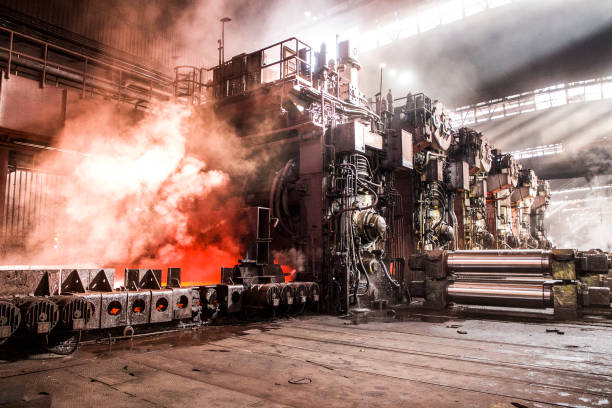
When Does a Company Become Liable for an Explosion Accident?
(ThyBlackMan.com) A company may become legally liable for an explosion accident when its negligence, unsafe work practices, defective equipment, or failure to follow applicable safety requirements causes or contributes to the incident. Liability can arise when a business ignores known hazards, fails to maintain industrial equipment, improperly stores flammable chemicals, or does not provide adequate safety training. However, an explosion alone does not automatically prove that a company was at fault. Investigators must examine what caused the blast, who controlled the dangerous conditions, and whether the company breached a legal duty that resulted in injuries or property damage.
Chemical plants, manufacturing facilities, refineries, and other industrial sites often handle substances and equipment that require careful management. Even a small failure involving pressure systems, combustible materials, or electrical components can trigger a serious incident. When an explosion causes burns, respiratory injuries, or other lasting harm, consulting an experienced chemical plant explosion lawyer may help injured workers and other affected people understand their legal rights and identify potentially responsible parties.
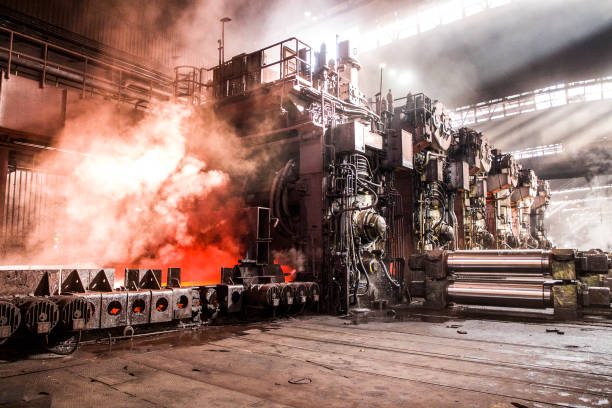
Negligence Can Make a Company Responsible
Companies operating hazardous facilities are generally expected to take reasonable precautions to protect workers and others who may be exposed to foreseeable risks. Depending on the industry and location, those precautions may include inspecting equipment, maintaining safety systems, controlling ignition sources, training employees, and following established operating procedures.
A company may face a negligence claim if it knew, or reasonably should have known, about a dangerous condition and failed to address it. For example, management might ignore repeated warnings about a leaking gas line, allow damaged pressure equipment to remain in service, or fail to correct unsafe chemical storage practices.
Investigators will usually need to connect the company’s conduct to the explosion and resulting harm. Maintenance logs, inspection reports, internal safety communications, witness statements, and expert assessments can help establish whether reasonable precautions were taken.
Safety Violations May Support a Liability Claim
Industrial businesses may be subject to workplace safety regulations, fire codes, environmental rules, and requirements governing hazardous materials. Violations can provide important evidence when determining whether a company failed to meet its legal obligations.
In the United States, the Occupational Safety and Health Act, including 29 U.S.C. § 654, requires covered employers to comply with applicable occupational safety and health standards and addresses the general duty to provide a workplace free from recognized serious hazards. Specific regulations may also apply to hazardous chemical processes, equipment maintenance, and emergency planning.
A regulatory violation does not automatically establish every element of a personal injury claim. Its legal significance depends on the applicable law, the circumstances of the incident, and whether the violation is connected to the injuries. An investigation should therefore consider both the regulatory requirements and the evidence surrounding the explosion.
Defective Equipment or Chemical Products May Involve Other Parties
The facility operator may not be the only party responsible for an explosion. A defective valve, faulty pressure gauge, poorly designed machine, or contaminated chemical product could contribute to the incident. In such cases, equipment manufacturers, component suppliers, maintenance contractors, or other businesses may also need to be investigated.
Product liability principles may apply when a defective product causes harm. A claim might involve a manufacturing defect, an unsafe design, or inadequate warnings about a product’s risks. The evidence must show how the alleged defect contributed to the explosion and identify the parties legally responsible under the relevant jurisdiction’s law.
Contractors may also be involved if they performed unsafe repairs, incorrectly installed equipment, or failed to carry out required inspections. Determining each party’s role can be important when several failures contribute to the same incident.
Evidence Helps Establish What Caused the Explosion
Explosion investigations can involve complex technical questions. Fire investigators, engineers, chemical safety specialists, and other experts may examine the scene to determine the ignition source, equipment condition, sequence of events, and possible safety failures.
Important evidence may include:
- Photographs and videos of the scene and damaged equipment.
- Maintenance, inspection, and repair records.
- Chemical inventory and storage documentation.
- Employee training records and written safety procedures.
- Witness statements and incident reports.
- Relevant communications about earlier leaks, malfunctions, or safety concerns.
Key Takeaways
- A company may be liable when its negligence or safety failures contribute to an explosion.
- Regulatory violations can support an investigation but do not automatically prove liability.
- Equipment manufacturers, contractors, and suppliers may also share responsibility.
- Maintenance records, safety reports, photographs, and expert analysis can help establish the cause.
Staff Writer; Brad Jacobs


Post comments (0)