-
 play_arrow
Praise 24/7 NO Today's Best Gospel


What Families Waiting on Visas and Green Cards Can Do This Year to Avoid Costly Delays.
What Families Waiting on Visas and Green Cards Can Do This Year to Avoid Costly Delays.
(ThyBlackMan.com) Families waiting on a visa or a green card have lived through a long stretch of policy changes, fee updates and processing times that rarely match the original estimate. Every shift raises fresh questions for people who are already balancing jobs, school schedules and the strain of not knowing what comes next. A single missing record or a late reply can push a case back by months. In some situations, an avoidable error can end in a denial that is hard to undo.
That is why careful preparation matters so much right now. Applicants who handle their case like a serious project, complete with deadlines, checklists and spare copies, usually meet fewer surprises along the way. Those who lean on rumors, social media threads or a friend’s experience often run into problems that could have been prevented. Each case turns on its own facts, so what worked for a relative may not fit your situation at all. Learning the most common and preventable pitfalls helps families protect the time and money they have already put in.
Getting Sound Advice Before Anything Is Filed
Every case begins with forms that demand exact details. Names need to match across passports, birth certificates and marriage records, and any difference calls for a clear explanation. As outlined by one legal team, a case usually runs more smoothly when applicants get informed help before filing rather than after a problem surfaces. A licensed immigration lawyer can review the evidence, spot gaps and explain which forms actually fit a family’s circumstances. The attorneys at Saavedra & Perez Law work with applicants on exactly these questions.
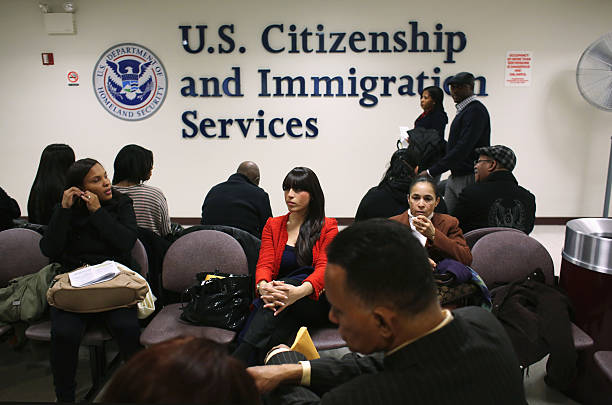
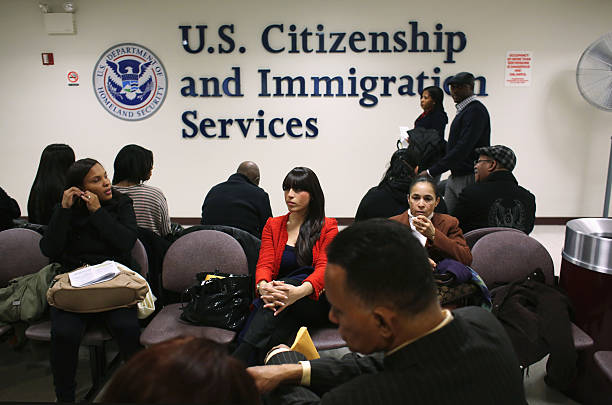
Clearwater is home to a sizeable immigrant community, and many local families eventually sit for interviews at the USCIS field office in Tampa. Officers there compare documents carefully, so bringing organized originals along with copies of everything submitted makes the appointment far less stressful. Translations of foreign records should be complete and certified rather than loose summaries. Arriving prepared also signals that the applicant takes the process seriously. Small inconsistencies that seem harmless at the kitchen table can draw questions once an officer lines up every page.
Steering Clear of Shortcuts and False Promises
People who promise a fast or guaranteed result deserve suspicion. So-called notarios and unlicensed consultants have hurt many immigrant families by filing the wrong forms or making commitments they could never keep. Only licensed attorneys and accredited representatives are allowed to give legal advice in this area. Checking credentials before paying anyone is a simple habit that can prevent lasting harm. State bar websites and the federal list of accredited representatives are good places to confirm that someone is qualified.
A guaranteed approval is a red flag, because no honest professional can promise how a government officer will decide. Pressure to sign quickly or pay in cash without a receipt is another warning sign. Ask for written agreements that explain fees and services, and keep copies of every payment. If something feels wrong, it is worth pausing to get a second opinion before going further. Families who have already lost money to a bad adviser should keep every receipt and message, since those records may matter later.
Staying Alert While the Case Is Pending
The months after filing can feel quiet, but they are no time to stop paying attention. Notices about fingerprint appointments, interviews or requests for more evidence often arrive with firm deadlines attached. Missing one can stall a case or lead to a denial. An online USCIS account adds a layer of protection, since status updates sometimes appear there before a letter reaches the mailbox. Responding to a request for evidence fully and on time is one of the most important things an applicant can do.
Moving house is a frequent source of trouble. A family that leaves an apartment off Gulf to Bay Boulevard for a new home across town needs to report the new address to immigration authorities promptly, because federal rules require most noncitizens to do so. Forwarding mail through the post office alone does not satisfy that requirement. Travel abroad while certain applications are pending can also cause problems, including an application being treated as abandoned, so advice before booking any trip is wise.
Keeping Every Family Member Ready
A case rarely involves only one person. Spouses, children and sponsors may each need to supply records, sign forms or attend appointments. Making sure everyone knows their role and where the shared folder lives prevents a last-minute hunt for a birth certificate or tax transcript. A brief family meeting before each major step keeps everyone aligned and gives quieter relatives a chance to voice concerns. Storing scanned copies in a secure cloud folder means the records survive even if the paper originals are misplaced.
Sponsors carry real obligations of their own. They often have to show they can support the person they are sponsoring, which means gathering pay stubs, tax returns and employment letters that match what was filed earlier. A change in a sponsor’s job or income during the process is worth raising early rather than at an interview. Children need attention too, because young people in some categories can age out or face separate deadlines, so tracking birthdays alongside filing dates protects their eligibility.
Patience, Good Records and a Steady Network
Families who get through this process with the least stress usually share a handful of habits. They keep one folder with copies of every form, receipt notice and letter. They note dates, case numbers and the names of anyone they speak with, along with a quick summary of what was said. They also rely on official government sources rather than secondhand stories. That discipline keeps small errors from growing into serious setbacks.
Community ties make a genuine difference as well. Churches, cultural groups and nonprofit legal clinics often help families understand their options and find reputable support. Talking with people who have already been through the same stages can ease the isolation that many applicants feel. That support often carries a family through the long stretches when nothing seems to be happening. A visa or green card stands for stability and the chance to keep a family together, and patience paired with careful preparation gives that goal its best chance.
Staff Writer; Todd Brown

-

Praise 24/7 Commercial Free
For every Show page the timetable is auomatically generated from the schedule, and you can set automatic carousels of Podcasts, Articles and Charts by simply choosing a category. Curabitur id lacus felis. Sed justo mauris, auctor eget tellus nec, pellentesque varius mauris. Sed eu congue nulla, et tincidunt justo. Aliquam semper faucibus odio id varius. Suspendisse varius laoreet sodales.
close

Post comments (0)