-
 play_arrow
Praise 24/7 NO Today's Best Gospel


How Common Roads Can Hide Serious Risks and Affect Communities.
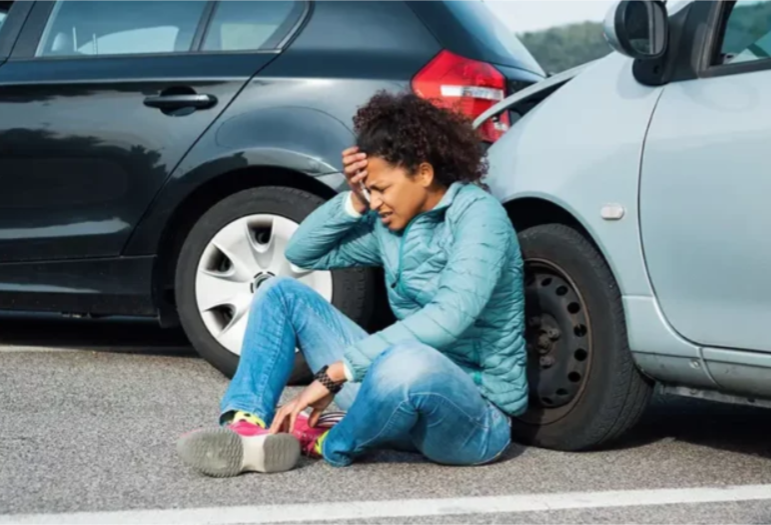
How Common Roads Can Hide Serious Risks and Affect Communities.
(ThyBlackMan.com) People travel daily on streets and highways that seem familiar and safe. Yet even common roads can contain hazards that are easy to overlook. Potholes, uneven surfaces, and poorly marked areas can create conditions where accidents occur unexpectedly. Drivers, pedestrians, and cyclists may face risks that are not immediately visible, and the cumulative effect of these dangers can influence the well-being of entire communities.
Even routine routes require careful attention. Minor issues such as faded signs, blocked views, or temporary obstacles can disrupt normal traffic flow and increase the likelihood of accidents. By staying alert and maintaining awareness, individuals contribute to safer environments for themselves and those around them. Communities benefit when people take responsibility for observing potential dangers while traveling on familiar roads.
The Consequences of a Car Accident
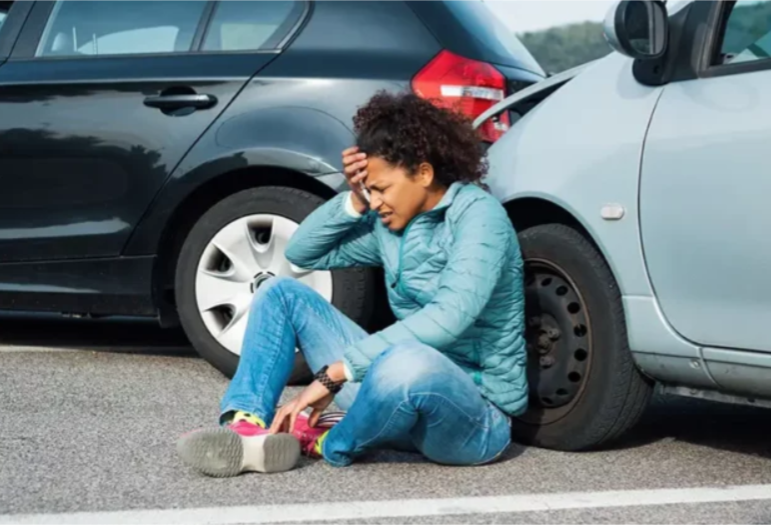
According to lawyersforinjuryclaims.com, a car accident can affect more than just the people directly involved. Physical injuries, emotional strain, and property damage are immediate concerns, but the ripple effect can extend into neighborhoods, workplaces, and families. By acknowledging how these incidents happen, individuals and communities can work toward minimizing harm and improving overall safety. Awareness of risk factors encourages people to make better choices and respond appropriately when incidents occur.
Car accident scenarios range from minor collisions to severe incidents that disrupt daily life. Even small accidents can lead to long-term consequences such as ongoing medical treatment, loss of transportation, or financial strain. Addressing hazards proactively helps prevent incidents and reinforces a culture of vigilance that benefits everyone who shares the road.
Communities also face challenges after accidents. Local infrastructure may require repair, emergency services are engaged, and collective attention is drawn to problematic areas. Understanding these broader implications highlights why proactive measures and ongoing attention to road safety are essential for maintaining public well-being.
Identifying Risky Conditions
Many hazards on roads develop gradually and go unnoticed until they cause an accident. Worn pavement, debris, and poorly lit areas can create unexpected dangers for anyone using the streets. Observing these conditions and recognizing patterns of risk allows individuals and municipalities to intervene before incidents occur. Awareness and timely action are crucial to maintaining safe travel conditions.
Neighborhoods and local authorities can reduce hazards by monitoring infrastructure regularly. Reporting issues, improving signage, and conducting maintenance are practical approaches to preventing accidents. Individuals can also take personal precautions by adjusting driving habits, using caution in unfamiliar areas, and supporting community safety initiatives.
Routine observation is vital in recognizing risks that might otherwise go unnoticed. Staying informed about local traffic conditions, weather impacts, and construction areas helps drivers anticipate potential hazards and adapt their behavior to maintain safety.
Technology and Safety Measures
Modern technology plays a critical role in identifying and addressing road hazards. Sensors, traffic monitoring systems, and mobile applications provide valuable information to drivers and authorities alike. Alerts for conditions such as road closures, accidents, or obstacles help prevent incidents by enabling timely responses. Technology enhances human awareness and complements proactive safety efforts.
Safety measures also include infrastructure improvements that reduce accident potential. Streetlights, reflective paint, and speed regulation tools create safer environments for all users of the roads. Integrating technology with physical improvements allows communities to address hazards comprehensively and maintain safer streets over time.
Data collected from technological tools allows communities to identify recurring problems. Tracking accident patterns, reporting unsafe areas, and monitoring traffic trends all contribute to informed decision-making and better planning for preventive measures.
Encouraging Safer Practices
Simple behaviors make a significant difference in road safety. Maintaining vehicles, observing speed limits, and following traffic rules reduce risks for drivers and pedestrians. Awareness campaigns and education promote safer habits and help prevent accidents before they happen. Communities that prioritize these practices create environments where all residents feel more secure.
Open communication about hazards strengthens collective safety. Sharing information about dangerous intersections, reporting unsafe conditions, and discussing potential risks with neighbors encourages cooperation and vigilance. When everyone is involved, the likelihood of accidents decreases, and the overall safety of public spaces improves.
Regular practice of safe habits reinforces a culture of accountability. By taking time to mentor younger drivers, supporting local traffic safety programs, and modeling responsible behavior, individuals create a shared expectation of caution and attentiveness. These measures extend the benefits of safety beyond personal actions, fostering an environment where residents collectively uphold standards that reduce hazards and protect vulnerable members of the community.
Sustaining Community Safety
Safety on roads is an ongoing commitment. Conditions evolve, traffic volumes change, and new hazards emerge. Continuous evaluation of roads and attention to emerging risks ensures communities remain protected. Individuals, local authorities, and organizations share responsibility for maintaining secure travel environments.
Long-term awareness encourages proactive action. Residents who remain alert to hazards, engage in reporting issues, and promote safe practices help sustain safety for themselves and others. By fostering a culture of shared responsibility, communities reduce preventable accidents and enhance well-being.
Sustaining community safety also involves collaboration and education. Neighborhood programs, local workshops, and outreach initiatives help people understand risk factors and equip them to act responsibly. Regular engagement with community members fosters cooperation, ensuring that safety practices are followed consistently. Over time, these efforts create a community that values proactive measures, where drivers, pedestrians, and local organizations work together to maintain safe streets. Sharing lessons learned from past incidents, updating safety protocols, and celebrating collective successes reinforce the importance of vigilance. This ongoing commitment strengthens public spaces, supports families, and allows everyone to move confidently without fear of unexpected incidents, creating a lasting foundation for secure and thriving neighborhoods.
Staff Writer; Chad Jones


-

Praise 24/7 Commercial Free
For every Show page the timetable is auomatically generated from the schedule, and you can set automatic carousels of Podcasts, Articles and Charts by simply choosing a category. Curabitur id lacus felis. Sed justo mauris, auctor eget tellus nec, pellentesque varius mauris. Sed eu congue nulla, et tincidunt justo. Aliquam semper faucibus odio id varius. Suspendisse varius laoreet sodales.
close Top popular

The Science of Happiness – Exploring Factors for Well-Being

Balancing Act: Prioritizing Your Well-Being in a Busy World

Overcoming Procrastination – Strategies for Productivity and Success

Unlocking Hidden Potential – A Guide to Personal Growth

Mindful Living – Cultivating Presence in the Modern Era

Post comments (0)