-
 play_arrow
Praise 24/7 NO Today's Best Gospel


Why Independent Restaurants Create the Best Food Scenes.
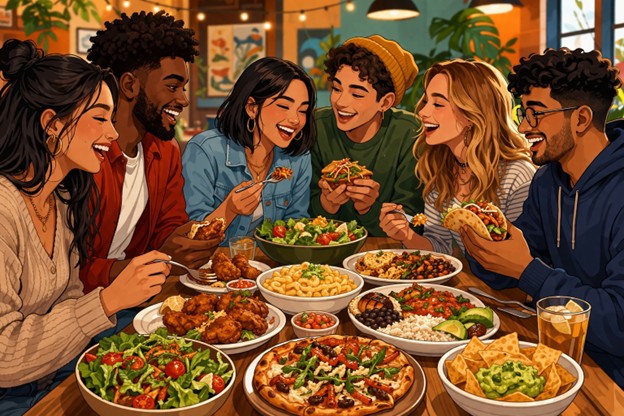
Why Independent Restaurants Create the Best Food Scenes.
(ThyBlackMan.com) In nearly every city known for great food, the most memorable meals rarely come from large restaurant chains or corporate dining groups. They come from independent restaurants. These are the places where menus are shaped by personal experience, cultural influence, and creative freedom rather than strict brand guidelines.
Independent restaurants are often the foundation of a city’s food identity. They introduce new flavors, preserve traditional cooking methods, and create the kind of dishes that people go out of their way to try. When someone says a city has a strong food scene, they are almost always referring to the influence of its locally owned restaurants.
From Detroit and New Orleans to Houston and Atlanta, independent kitchens continue to define what makes American food culture so diverse and interesting.
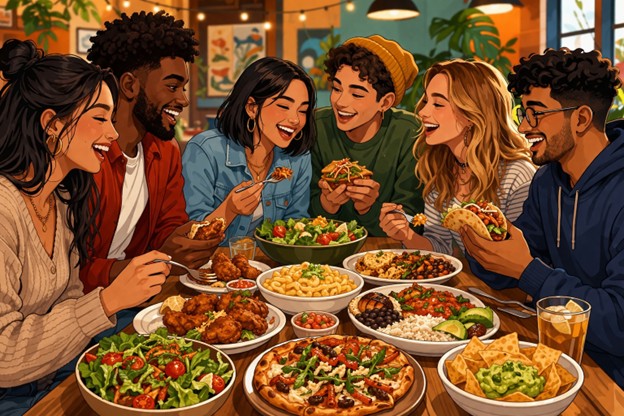
Independent Restaurants Prioritize Flavor Over Consistency
Large restaurant chains are built on consistency. Every location needs to produce the same menu items in the same way, regardless of location. While this creates reliability, it also limits creativity.
Independent restaurants operate with a completely different mindset. Chefs and owners are not tied to standardized processes in the same way. They have the flexibility to experiment with ingredients, adjust recipes, and introduce new ideas whenever they want.
This freedom often leads to better food. Dishes are refined over time based on customer feedback, seasonal availability, and the chef’s own evolving style. A meal at an independent restaurant feels more intentional because it reflects real decisions made in the kitchen rather than a fixed corporate recipe.
Menus also tend to evolve naturally. A dish might start as a special, gain popularity, and eventually become a signature item. This kind of organic development is one of the reasons independent restaurants feel more dynamic.
Personal Backgrounds Shape the Menu
One of the biggest differences between independent restaurants and chain establishments is the influence of personal history. Many restaurant owners build their menus around recipes and techniques they grew up with.
These dishes often reflect regional traditions, family cooking styles, and cultural influences that are difficult to replicate in large-scale operations. In many cases, the food tells a story that goes beyond the ingredients on the plate.
This connection to personal experience makes independent restaurants more memorable. Customers are not just eating a meal; they are experiencing a specific perspective on food that comes directly from the chef or owner.
Over time, these restaurants become known for signature dishes that cannot easily be found anywhere else. That uniqueness is what drives people to recommend them, revisit them, and share them with others.
Local Ingredients Lead to Better Food
Independent restaurants are also more likely to work with local suppliers. Instead of relying entirely on national distribution systems, many small restaurant owners build relationships with nearby farms, fisheries, and specialty producers.
This approach improves both quality and freshness. Ingredients can be sourced at their peak rather than being shipped long distances and stored for extended periods.
It also allows chefs to design menus around what is available in their region. Seasonal vegetables, fresh seafood, and locally produced goods often play a bigger role in independent kitchens.
As a result, menus feel more connected to the local environment. Diners are not just eating food; they are experiencing flavors that reflect the area they are in.
Menus Are More Flexible and Creative
Another advantage of independent restaurants is their ability to adapt quickly. Owners can test new dishes, adjust portion sizes, and introduce entirely new menu sections without needing approval from a corporate structure.
This flexibility encourages experimentation. Chefs can combine different culinary influences, try new cooking techniques, and respond to trends as they emerge.
It is common to see independent restaurants blending cuisines in ways that would not typically appear in traditional dining settings. These combinations often lead to entirely new dishes that gain popularity within the local food scene.
Because of this, independent restaurants are usually at the forefront of food trends. What starts in a small kitchen can eventually influence menus across an entire city.
Neighborhood Restaurants Create Stronger Communities
Independent restaurants often become central parts of their neighborhoods. They are not just places to eat; they are gathering spaces where people connect with each other.
Regular customers build relationships with staff, chefs, and owners. Over time, these interactions create a sense of familiarity that is difficult to replicate in larger chain environments.
Many independent restaurants also collaborate with other local businesses, host events, and participate in community initiatives. This involvement strengthens their connection to the area and helps build a more cohesive local economy.
Because of this, independent restaurants often reflect the personality of their neighborhoods. Each one contributes to the overall identity of the city’s food culture.
Great Food Cities Depend on Independent Restaurants
Cities known for their food scenes almost always have a strong base of independent restaurants. Detroit, New Orleans, Houston, Atlanta, and Philadelphia are all examples of cities where local chefs and small business owners drive culinary innovation.
These cities offer a wide range of dining experiences because independent restaurants are constantly introducing new ideas. Some focus on traditional comfort food while others explore modern techniques or global influences.
The diversity of these restaurants creates a more interesting and dynamic food scene. Diners can explore different styles of cooking, discover new flavors, and support local businesses at the same time.
Many of these restaurants are built around cultural traditions and personal cooking styles, which adds even more depth to the overall dining experience.
For readers who want to explore more of these locally driven food scenes, Huffity has put together a curated guide to black owned restaurants across major U.S. cities, highlighting independent spots that contribute to the character and diversity of their local food communities.
Independent Restaurants Take More Creative Risks
One of the reasons independent restaurants stand out is their willingness to take risks. Without corporate oversight, chefs can experiment with bold flavors, unique presentations, and unconventional menu ideas.
Some of these ideas may not work, but many of them lead to standout dishes that define the restaurant. This trial-and-error process is part of what makes independent dining so exciting.
It also encourages innovation across the broader food scene. When one restaurant introduces something new and successful, others may adapt or build on that idea.
Over time, this cycle of experimentation pushes the entire food culture of a city forward.
Authenticity Is What Makes Food Memorable
At the core of every great food scene is authenticity. People remember meals that feel genuine, whether that comes from traditional recipes, creative expression, or a strong connection to local ingredients.
Independent restaurants are uniquely positioned to deliver this kind of experience. Their menus reflect real decisions, real stories, and real creativity rather than standardized processes.
This authenticity is what keeps customers coming back. It is also what drives word of mouth recommendations, online reviews, and social media attention.
When people search for the best places to eat in a city, they are usually looking for restaurants that offer something different. Independent restaurants consistently deliver on that expectation.
Why Independent Restaurants Will Continue to Lead Food Culture
As the food industry continues to evolve, independent restaurants will remain a key part of what makes dining experiences interesting. Their ability to adapt, experiment, and connect with local communities gives them a lasting advantage over larger chains.
While corporate restaurants will always have a place in the market, they are unlikely to replace the creativity and individuality that independent kitchens provide.
For anyone looking to explore a city’s food scene, the best starting point is almost always locally owned restaurants. These are the places where new ideas are tested, traditions are preserved, and memorable meals are created.
In the end, independent restaurants do more than serve food. They shape the culture of the cities they are in, one dish at a time.
Staff Writer; Fred Parker


-

D.K. Smith
For every Show page the timetable is auomatically generated from the schedule, and you can set automatic carousels of Podcasts, Articles and Charts by simply choosing a category. Curabitur id lacus felis. Sed justo mauris, auctor eget tellus nec, pellentesque varius mauris. Sed eu congue nulla, et tincidunt justo. Aliquam semper faucibus odio id varius. Suspendisse varius laoreet sodales.
close Top popular

The Science of Happiness – Exploring Factors for Well-Being

Balancing Act: Prioritizing Your Well-Being in a Busy World

Overcoming Procrastination – Strategies for Productivity and Success

Unlocking Hidden Potential – A Guide to Personal Growth

Mindful Living – Cultivating Presence in the Modern Era

Post comments (0)