-
 play_arrow
Praise 24/7 NO Today's Best Gospel


Driving Culture: African-American Icons in Muscle Car Collecting.
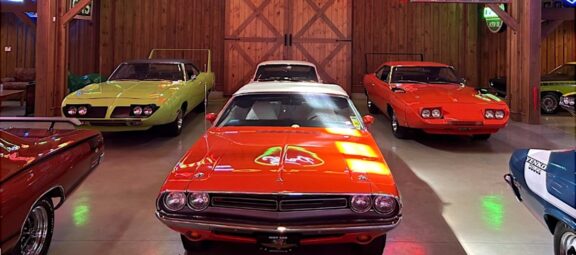
Driving Culture: African-American Icons in Muscle Car Collecting.
(ThyBlackMan.com) Muscle car culture in the United States has long been associated with power and prestige. These vehicles sit at a unique intersection of engineering excellence and personal expression. While the early days of muscle cars are often linked to the 1960s and 1970s, a vibrant movement continues today. African-American enthusiasts have played a significant role in shaping the story of muscle car collecting. This article explores the influence of African-American icons in a world rich with history and passion.
A Legacy of Power and Passion
Muscle cars emerged as a symbol of youth and rebellion in the mid-twentieth century. Models from manufacturers such as Ford, Chevrolet, Dodge, and Pontiac became synonymous with speed, style, and performance. The African-American community quickly embraced these machines both on the street and at events. Collectors often trace their love for muscle cars back to childhood memories with family or friends at local drag strips. These experiences fostered a lifelong bond with the machines that defined an era.
The journey from street racing culture to formal collecting shows how deeply the passion runs. Muscle car collecting became a way for people to preserve history. Rare models were hunted down, restored, and displayed at shows across the country. A muscle car collector takes pride in original parts and authentic restorations. Many African-American enthusiasts developed reputations for expertise and dedication in the community.

The Rise of Influential Figures
Several African-American icons have risen to prominence in the muscle car world. These individuals are known for their knowledge, collections, and advocacy for preserving automotive heritage. They’ve built platforms that celebrate both classic automobiles and the broader culture that surrounds them.
One of the keys to their influence has been visibility. Social media, television appearances, and participation in major car shows have allowed enthusiasts to share their passion with a broad audience. This has inspired others to explore muscle car collecting and connect with like-minded people. In turn, this has strengthened the overall culture and expanded its reach beyond traditional demographics.
Muscle Cars and Community Building
Car shows and meets are central to the culture of muscle car collecting. These events bring together enthusiasts from all walks of life. They share stories about restorations, trade parts, and celebrate achievements. Classic car cruises and weekend meetups provide a social space where passion for automobiles becomes a point of connection.
African-American collectors have been instrumental in organizing and promoting these gatherings. Their involvement has helped ensure that events are inclusive spaces where diversity is welcomed. Clubs and groups focused on muscle cars serve as hubs for mentoring and skill sharing. Young enthusiasts often find guidance from more experienced collectors.
This community building extends beyond local events. National and regional clubs bring together hundreds of members. They organize tours, rallies, and group appearances at major shows. Through these activities, collectors form bonds that transform passion into lasting friendships.
Stories That Shape the Culture
Every collector has a story. Many African-American icons in the muscle car world have paths that reflect broader life journeys. Some began with modest roots, dreaming of owning a classic car. Others discovered muscle cars through family traditions. These stories often include the thrill of finding a rare model, the challenge of restoration, and the joy of seeing a project come to life.
One common theme is perseverance. Collecting classics often requires patience and resourcefulness. Many iconic collectors began by learning mechanical skills. They spent hours in garages learning how engines work and how to bring old cars back to life. This dedication helped them develop the expertise that now defines their reputations.
These personal narratives resonate with fans and followers. They illustrate how muscle car collecting can be about more than the vehicles themselves. It becomes a metaphor for achieving goals, overcoming obstacles, and preserving a legacy.
The Role of Media and Representation
Media representation has played an important role in highlighting African-American icons in the muscle car community. Magazines, online platforms, and video channels focused on classic cars have showcased collections and interviewed influential collectors. This exposure broadens awareness of the people who shape the culture.
Television shows with automotive themes have also contributed. Programs that feature restoration projects or car competitions include diverse participants and highlight their expertise. For many viewers, this offers a window into a world that might otherwise seem inaccessible.
The power of digital content cannot be understated. Social platforms have allowed collectors to share videos of restorations and show displays. Enthusiasts build followings by documenting their projects and connecting with fans. These platforms provide a space for celebrating heritage and educating a new generation of collectors.
The Economics of Collecting
Collecting muscle cars isn’t just a hobby; it’s an economic ecosystem that encompasses buying, selling, and restoring vehicles. Auctions and private sales of rare models often attract significant sums. Classic models in excellent condition continue to appreciate in value, making them desirable investments.
African-American collectors have not only participated in this economy but have also influenced market trends. Their expertise helps identify undervalued vehicles. They also contribute to the demand for authentic restorations and rare parts. Through active engagement in marketplaces and auctions, they shape how these cars are valued.
Restoration work itself supports a broader network of businesses. Shops that specialize in vintage parts, bodywork, and engine rebuilding thrive on the demand from collectors. Some influential collectors have even started their own businesses, offering services and products tailored to the muscle car community.
Preserving History Through Restoration
Restoration is a cornerstone of muscle car collecting. The process of bringing an old vehicle back to its former glory requires skill, patience, and respect for history. Many African-American collectors take a historian’s approach to restoration. They research original specifications and seek authentic parts to maintain the integrity of their vehicles.
This meticulous approach helps preserve automotive history. Classic car shows often feature categories for historically accurate restorations. Collectors spend years perfecting every detail. From paint matching to engine tuning, the goal is to honor the craftsmanship of the original manufacturer.
In some cases, restorations involve storytelling elements. Owners may uncover the history of a specific car, including previous owners and notable events in its past. These narratives add depth to the car’s presentation at shows and exhibitions.
Education and Passing the Torch
An important aspect of the culture is education. Seasoned collectors often take on mentoring roles. They share knowledge about mechanical skills, historical context, and best practices for preservation. This exchange of expertise ensures that traditional skills are passed to a new generation of enthusiasts.
Younger collectors bring fresh energy. They often integrate modern tools and technology, such as digital diagnostics, to enhance the restoration process. Experienced mentors help them balance respect for tradition with practical techniques.
Educational efforts also extend to youth outreach. Clubs and events sometimes hold activities designed to engage young people. These may include hands-on workshops or opportunities to learn from professionals. Such initiatives help cultivate interest in automotive culture and inspire future collectors.
Cultural Impact Beyond Cars
Muscle car collecting has cultural significance beyond the vehicles themselves. It intersects with music, fashion, and community events. For example, classic cars often feature in photo shoots, music videos, and parades. They symbolize style, heritage, and identity.
African-American contributions to music and culture have influenced the way muscle cars are represented in art and media. These connections reinforce the idea that muscle cars are more than machines; they’re icons in cultural expression.
Muscle car events often include live music and food that reflect local culture. These gatherings become celebrations of community and creativity. Classic cars serve as focal points around which broader cultural experiences unfold.
Challenges and Triumphs
Despite the passion and dedication of collectors, the journey isn’t without challenges. Finding original parts can be difficult and expensive. Some vehicles require extensive work to become roadworthy or show-ready. The physical space needed to store and work on cars is another consideration.
African-American collectors have navigated these challenges with resilience. They build networks that help locate rare components and share resources. Through collaboration and resourcefulness, they find ways to overcome obstacles.
Recognition hasn’t always been easily achieved. The broader classic car community hasn’t always reflected the diversity of its participants. However, continued visibility and excellence have helped change perceptions. African-American icons in the space are now widely acknowledged for their contributions.
These triumphs resonate with many in the classic car world and beyond. They reinforce the idea that passion and expertise transcend barriers.
The Future of Muscle Car Collecting
Looking ahead, the muscle car community continues to evolve. Interest in classic vehicles remains strong among all generations. New collectors bring diverse perspectives and digital skills that shape how the culture grows.
African-American icons will continue to influence this future. Through leadership in events, engagement in media, and mentorship, they will help guide the next phase of muscle car collecting. Their legacy includes both the cars they preserve and the communities they strengthen.
Enthusiasts are also having important conversations about sustainability and innovation. While preserving classic cars remains central, there’s growing interest in integrating modern technology in ways that respect heritage. Some collectors explore electric conversions of vintage models or use advanced tools to improve performance without altering the original character.
This balance between preservation and progress reflects the dynamic nature of the collecting world. It shows that muscle car culture can honor the past while embracing new possibilities.
Conclusion
Muscle car collecting is a vibrant culture shaped by passion, creativity, and community. African-American icons have contributed significantly to this world. Their expertise, leadership, and dedication enrich the narrative of classic automobiles.
From restoration garages to national events, these individuals carry forward a legacy that intersects automotive heritage and cultural expression. Their stories extend beyond horsepower and chrome. They showcase resilience, innovation, and the deep connections that classic cars inspire.
As the culture grows, it will continue to reflect the diverse voices that drive it. Enthusiasts today build on the work of those who came before. Through preservation, storytelling, and community engagement, the legacy of muscle car culture remains alive and thriving.
Staff Writer; Steve Washington
-

Praise 24/7 Commercial Free
For every Show page the timetable is auomatically generated from the schedule, and you can set automatic carousels of Podcasts, Articles and Charts by simply choosing a category. Curabitur id lacus felis. Sed justo mauris, auctor eget tellus nec, pellentesque varius mauris. Sed eu congue nulla, et tincidunt justo. Aliquam semper faucibus odio id varius. Suspendisse varius laoreet sodales.
close

Post comments (0)