-
 play_arrow
Praise 24/7 NO Today's Best Gospel


Who Is the Most Famous Black Poet?
Who Is the Most Famous Black Poet?
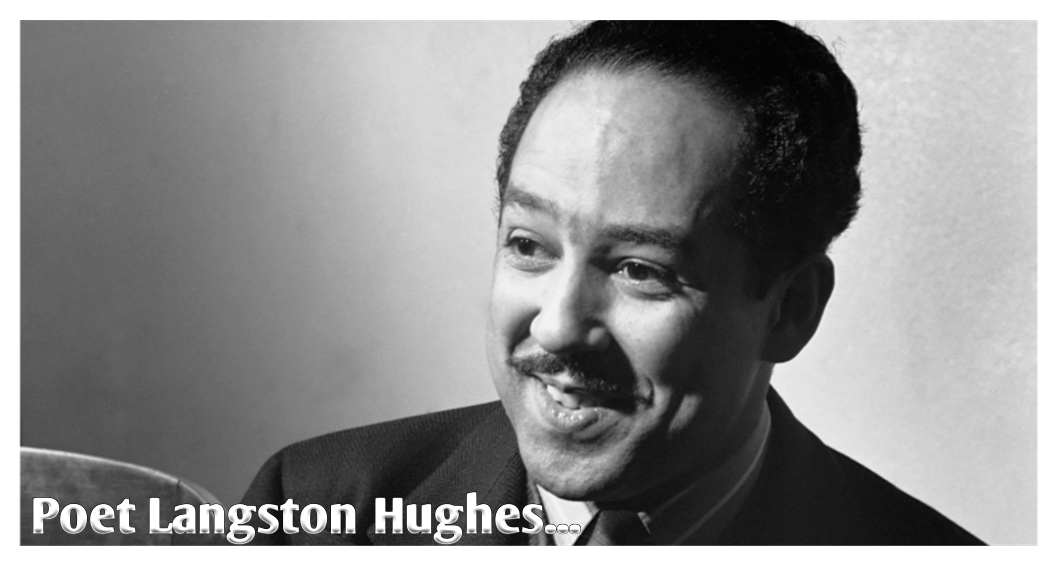
(ThyBlackMan.com) Folks have argued over that question for years. You hear it inside classrooms, barber shops, college dorms, family cookouts, and old church parking lots after Sunday service. Who is the most famous Black poet? Everybody got an opinion. Some lean toward Maya Angelou because her words reached millions across race, age, and gender. Others mention Nikki Giovanni or James Baldwin since their writing still feels alive whenever somebody opens a book or watches an old interview clip online. But when the conversation gets serious, one name continues floating back to the surface. Langston Hughes remains the brother most people recognize first. His work traveled far beyond libraries. The man became woven into Black American culture itself.
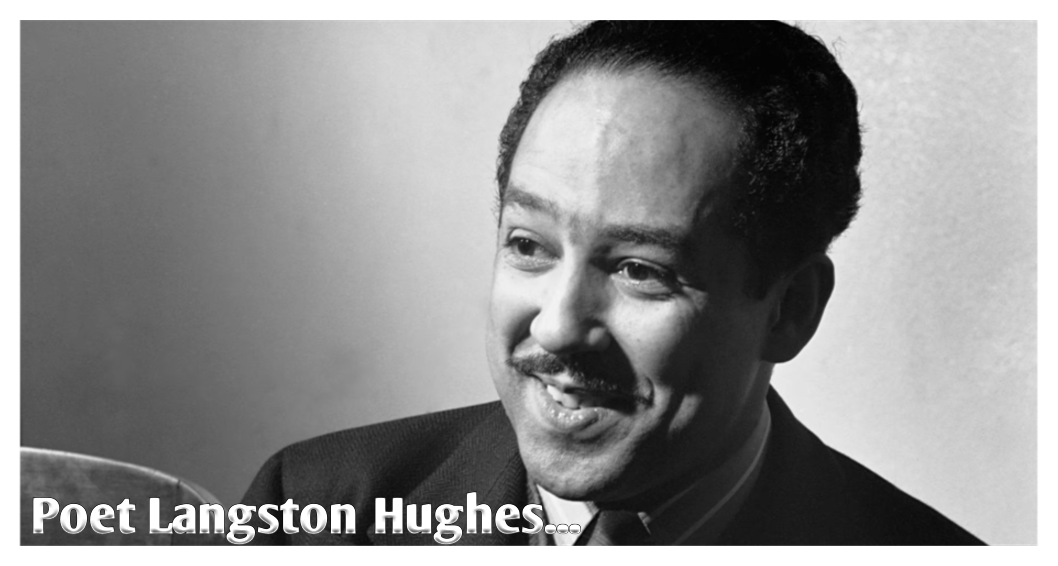
Hughes connected with people because he sounded natural. Nothing about his style felt forced. Reading him almost feels like hearing an elder speak plainly while music hums somewhere in the background. He understood working class Black life in a way many writers could never imitate. Folks struggling to pay rent, mothers trying to stretch meals, young men chasing dignity, migrants leaving Southern towns searching for a better shot up North, all of that lived inside his poetry. He did not create fancy language just to impress professors. He wrote in a way regular people could carry with them.
That mattered deeply during the Harlem Renaissance. Black artists during that period were fighting against ugly stereotypes pushed across America. Racism shaped nearly every part of daily existence. Hughes stepped into that climate with honesty instead of fear. He wrote about dreams, disappointment, loneliness, survival, music, and race without pretending life was easy. Yet there was still warmth in his voice. He never completely surrendered hope, even while describing painful realities many white Americans wanted ignored.
One reason his poetry still lands today is because the struggles he described never fully disappeared. Young Black men continue wrestling with unfair treatment, pressure, financial stress, and questions about identity. Hughes understood those emotions long ago. A poem like “I, Too” still hits readers hard because exclusion never completely vanished from American life. The language looks simple on paper, but the feeling behind it carries weight. Anybody who has ever felt pushed aside understands that poem immediately.
Another thing helping Hughes remain so recognizable is education. His work became part of school systems throughout America. Children encountered his poetry early in life, sometimes before learning about many other Black writers. Once that happens across generations, a literary figure grows larger than literature alone. Students memorize lines. Teachers repeat them yearly. Families discuss them. Over time the writer turns into a permanent cultural presence.
Music also strengthened his legacy. Hughes loved jazz and blues. That rhythm slipped naturally into his writing. His poems moved with energy instead of stiffness. You could almost hear instruments floating through certain lines. Black artistic traditions have always blended together anyway. Poetry, gospel, soul, spoken word, and rap all pull emotion from similar places. Hughes understood that connection before many scholars even took those forms seriously.
Now to be fair, there are people who strongly believe Maya Angelou deserves the crown instead. Honestly, it is hard arguing against her impact. Angelou carried a presence that immediately captured attention. When she spoke, people listened carefully. Her poem “Still I Rise” became bigger than literature. Folks used those words during hard seasons in life, graduation ceremonies, speeches, and moments requiring courage. Black women especially embraced her because she spoke openly about healing, pain, motherhood, survival, and self respect.
Angelou also arrived during an era dominated by television and mass media. Millions saw her interviews and public appearances. Visibility matters whenever people discuss fame. Some younger readers today may recognize Angelou quicker than Hughes because clips of her speeches still circulate heavily online. Yet Hughes carries tremendous historical weight because he helped build the modern foundation Black poetry stands upon.
Writers like Gwendolyn Brooks deserve much more attention too. Brooks became the first Black person awarded the Pulitzer Prize in poetry. Her work captured neighborhood life with incredible detail. She understood ordinary people deeply. Scholars continue praising her brilliance because she balanced emotional honesty with technical skill beautifully.
Nikki Giovanni brought another kind of energy altogether. Giovanni sounded fearless. Younger audiences especially connected with her confidence and direct approach. She discussed Black identity, politics, love, family, and pride without sounding distant from everyday people. Some poets only feel powerful on paper. Giovanni could walk into a room and command attention immediately.
The discussion grows even richer once names like Paul Laurence Dunbar, Amiri Baraka, and Claude McKay enter the picture. Every one of those men shaped Black literary history in meaningful ways. Dunbar especially faced enormous obstacles during his time. America barely acknowledged Black intellectual achievement then, yet he still carved out space through pure talent and determination.
Still, influence and fame are not always identical. Some writers receive tremendous academic respect without becoming widely recognized by everyday people. Hughes managed to bridge both worlds. Professors studied him seriously while ordinary folks embraced him naturally. That combination rarely happens. Usually artists lean heavily toward either scholarly admiration or public affection. Hughes somehow earned both.
Timing also played a role. Hughes emerged when Black America desperately needed visible cultural voices. Large numbers of Southern families were relocating North hoping for better opportunities and safer lives. Communities were changing quickly. Music, politics, fashion, and identity were all evolving together. Hughes documented much of that emotional transition through poetry. Because of that, his work feels tied directly to major chapters in American history.
At his core, Hughes understood something important about Black life. He knew our people carried sorrow and beauty together. He knew laughter survived alongside hardship. He understood music could heal wounds temporarily, even when society kept reopening them. Most importantly, he believed ordinary Black existence deserved artistic respect. That perspective changed literature permanently.
So who is the most famous Black poet? The safest answer remains Langston Hughes. His words traveled through classrooms, speeches, conversations, music, activism, and generations of families trying to understand themselves inside America. Other legendary writers absolutely belong beside him in the conversation. Some readers may personally prefer another voice, and that is completely fair. Greatness comes in different forms. But when people combine recognition, historical impact, cultural memory, and long term influence together, Hughes still stands near the very top. His poetry never felt trapped in the past. Even now, decades later, the brother still speaks.
-

Praise 24/7 Commercial Free
For every Show page the timetable is auomatically generated from the schedule, and you can set automatic carousels of Podcasts, Articles and Charts by simply choosing a category. Curabitur id lacus felis. Sed justo mauris, auctor eget tellus nec, pellentesque varius mauris. Sed eu congue nulla, et tincidunt justo. Aliquam semper faucibus odio id varius. Suspendisse varius laoreet sodales.
close

Post comments (0)