-
 play_arrow
Praise 24/7 NO Today's Best Gospel


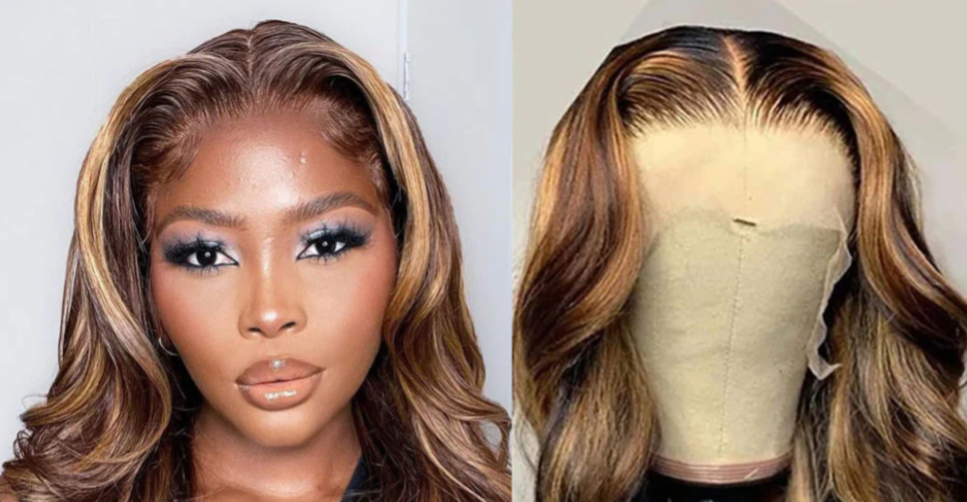
A New Standard for Natural Hairlines Is Emerging Around HD Lace Frontals.
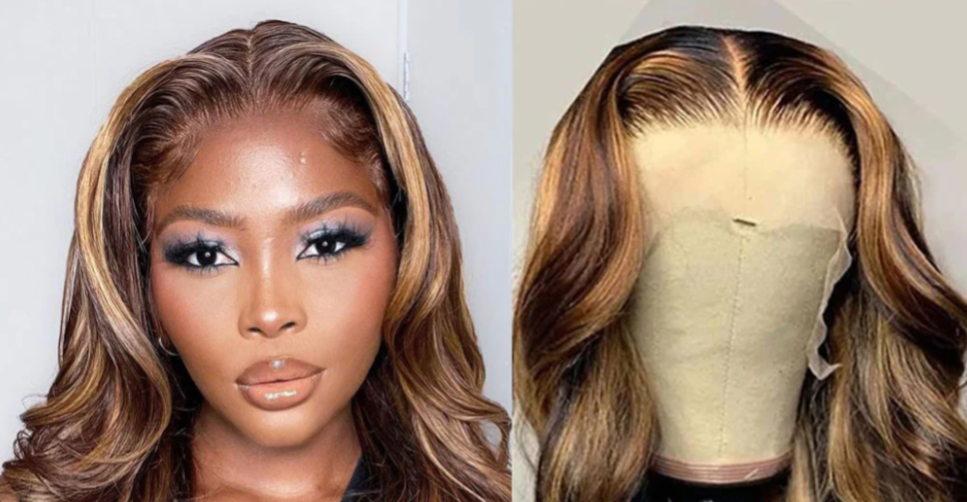
A New Standard for Natural Hairlines Is Emerging Around HD Lace Frontals.
(ThyBlackMan.com) Natural-looking hairlines depend on more than density or length. The lace must blend with the skin, lie flat across the forehead, and support realistic parting. HD lace frontals meet those demands through thin material and individually hand-tied hair. They also give wearers more control over texture, length, and styling direction. These details have made HD lace frontals a practical reference for modern installs, and construction deserves close attention during everyday styling decisions.
Why HD Lace Changes The Hairline
A frontal covers the front hairline and extends across the temples, creating room for parting and styling. Its lace is thinner than standard lace, so the material blends more closely with the skin.
The reduced visibility matters during close viewing, bright lighting, and photography. Individually tied strands create a less uniform hairline, which gives the transition between skin and hair a more natural appearance.
The frontal HD lace collection includes 13×4 and 13×6 options in straight, body wave, deep wave, and other textures. This range helps wearers match construction and texture to the planned hairstyle.
Choosing The Right Frontal Size
A 13×4 frontal provides a practical parting area across the front, while a 13×6 frontal creates deeper space behind the hairline. The wider option suits wearers who prefer a longer middle part or more room for styling changes.
The choice depends on the desired look, natural hairline coverage, and installation method. Someone who wears a defined side part may need less depth than someone who regularly creates a center part or wears an updo.
A frontal should match the wearer’s styling habits. A greater parting depth offers more flexibility, but it also requires careful placement across the forehead and temples.
Matching Texture And Styling Plans
Texture affects how naturally a frontal blends with bundles or a wig unit. Straight hair creates a polished outline, while body wave adds movement without a tight curl pattern. Deep wave and curly textures create more definition and require styling that preserves the original pattern.
The frontal should match the surrounding hair before installation. Pairing a straight frontal with tightly curled lengths creates a visible break near the part. Matching textures reduces manipulation and keeps the hairline consistent with the rest of the style.
The collection includes wavy, curly, and straight choices, along with raw hair options. Wearers can select a texture based on their daily styling habits rather than choosing length alone.
Length Influences Proportion
Length changes the balance between the frontal and the rest of the hairstyle. Shorter lengths suit compact styles and controlled bobs, while longer lengths create more room for waves, curls, and layers.
Available options include 14-inch, 16-inch, 18-inch, 20-inch, 22-inch, 24-inch, and 30-inch listings. The correct choice depends on the intended final length, as curling and layering reduce visible length.
A stylist should also consider density and face framing. Excessive length with a narrow frontal can make the hairline appear disconnected from the rest of the hairstyle. Proportion keeps the parting area believable.
Installation Details Still Matter
HD lace does not remove the need for careful preparation. The frontal must sit directly against the intended hairline, and the lace should be trimmed without removing too much material around the temples.
A light application of adhesive, or another secure method, helps keep the lace flat. Heavy product buildup can create shine, stiffness, or lifting around the edge. Clean tools and controlled handling protect the lace during installation.
Baby hairs should follow the natural direction of growth. Excessive swooping creates a sharp, artificial edge, while restrained styling keeps attention on the lace and tied strands.
Maintaining The Natural Finish
Maintenance starts with gentle cleansing and limited tension. A mild shampoo removes residue without aggressive scrubbing, while a soft towel or air-drying reduces stress on the lace.
Heat styling should match the texture and use controlled temperatures. Brushing from the ends upward limits pulling, especially around the front, where repeated tension can loosen tied strands.
Storage also affects the finish. A frontal should remain clean, dry, and protected from compression when it is not installed. Regular inspection helps identify lifting, tangling, or product buildup before those issues affect the hairline.
Conclusion
HD lace frontals have raised expectations for a believable hairline through thin lace, hand-tied strands, flexible parting, and varied textures. The best result depends on matching the frontal size and texture to the planned style, then using controlled installation and maintenance. A practical next step is to choose the parting depth first, compare texture second, and select length after considering curl, layering, and daily wear. That sequence reduces unnecessary adjustments and keeps the finished style proportionate.
Staff Writer; Craig Ross


-

Praise 24/7 Commercial Free
For every Show page the timetable is auomatically generated from the schedule, and you can set automatic carousels of Podcasts, Articles and Charts by simply choosing a category. Curabitur id lacus felis. Sed justo mauris, auctor eget tellus nec, pellentesque varius mauris. Sed eu congue nulla, et tincidunt justo. Aliquam semper faucibus odio id varius. Suspendisse varius laoreet sodales.
close

Post comments (0)