-
 play_arrow
Praise 24/7 NO Today's Best Gospel


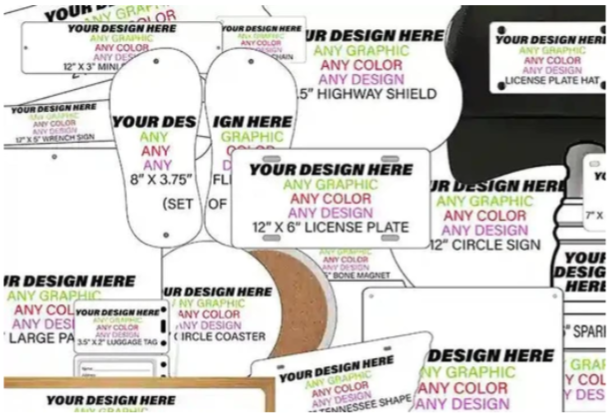
What You Need to Know Before Designing a Custom Plate.
What You Need to Know Before Designing a Custom Plate.
(ThyBlackMan.com) A custom plate turns a short line of text into a visible statement, so planning deserves more care than choosing a phrase. Letter count, color contrast, mounting holes, and local regulations shape the finished design. A plate that looks clear on a screen can become crowded or difficult to read from a distance.
Before selecting artwork or wording, drivers should settle the practical details that affect a usable plate. The following checks provide a clear starting point.
Anyone creating a plate for a vehicle, garage, workshop, or personal display should begin with its purpose.
Decide Where the Plate Will Go
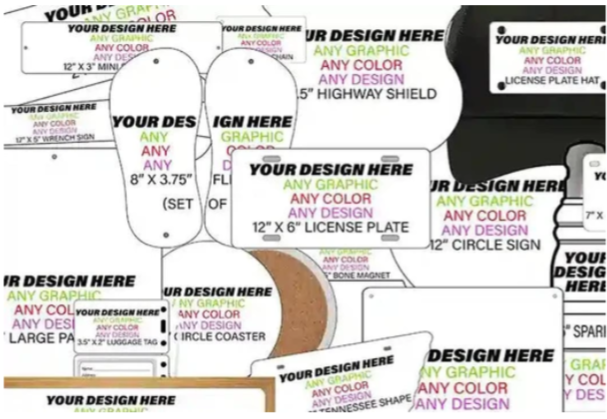
A plate intended for public-road use must follow state requirements. State agencies control rules for official plates, visibility, placement, and registration displays. A decorative custom plate usually belongs on a garage wall, private vehicle area, event display, or another location where it does not replace a required official plate. If you are wondering how to make your own license plate, let’s start by selecting concise wording, readable lettering, and artwork suited to the setting.
That choice guides the plate shape, color scheme, mounting method, and amount of information the design can carry without appearing crowded.
Before ordering, the driver should check local rules and measure the intended mounting area. A design that fits a wall or display board may create problems on a vehicle bracket. The location also determines whether the plate needs weather-resistant construction or simple indoor decoration.
Choose the Wording Before the Artwork
Short wording usually creates a cleaner result. A phrase should communicate its purpose without requiring viewers to study the plate. Drivers should write the exact text first, then count every letter, number, space, and symbol against the stated character limit.
Spelling deserves a separate review before the design moves forward. Names, dates, initials, and abbreviations often appear on custom plates, and one incorrect character changes the finished message. Reading the wording aloud also helps identify awkward spacing or unclear combinations.
Check Readability at a Distance
A plate should remain legible when viewed several feet away. Large lettering, clear spacing, and a simple layout usually perform better than tightly packed text. Decorative elements should support the message rather than compete with it.
Color contrast affects reading speed and accuracy. Dark lettering against a light background creates a familiar visual pattern, while similar shades reduce separation between the letters and surface. A driver should inspect the preview at reduced size because a design that looks balanced up close can lose clarity on a phone screen or wall.
Keep the Layout Balanced
The main wording needs enough space around each character. Crowding the edges makes a plate look unfinished and complicates installation near a frame or mounting bracket. Centered text works for many designs, but left-aligned wording can suit longer messages or sign-style layouts.
A background pattern, state motif, border, or image should have a clear visual purpose. Too many decorative details make the plate harder to read and reduce the message’s impact. One dominant design element usually creates a cleaner result than several competing graphics.
Match the Design to Its Setting
Outdoor placement exposes a plate to sunlight, moisture, dirt, and temperature changes. The intended location should guide choices about the surface, finish, and mounting hardware. Indoor plates have different demands, especially when they hang in a protected room or display area.
The setting also affects the tone of the wording. A vehicle-related message, family name, business sign, or novelty phrase requires a different visual approach. The design should match the space where people will see it, rather than relying on a style that works only in an online preview.
Plan the Mounting Details
Drivers should inspect the existing bracket or display surface before finalizing the plate. Measurements confirm whether the plate needs standard mounting holes, a frame, adhesive backing, or another attachment method. The hardware should support the plate without covering letters, numbers, or decorative details.
Placement deserves attention after installation. The plate should sit level, remain visible, and avoid blocking required vehicle information or safety equipment. For a wall display, the mounting surface should support the plate’s weight and keep it from shifting over time.
Conclusion
A successful custom plate begins with a clear purpose, accurate measurements, readable wording, and a layout suited to its setting. Drivers should check local vehicle rules before placing a decorative plate near a road-use display.
The next step is to measure the mounting area, write the final text, and review a small-size preview for clarity. Those checks give the design a sound basis before you submit the order and help you avoid unnecessary changes later.
Staff Writer; Steve Jones


-

Praise 24/7 Commercial Free
For every Show page the timetable is auomatically generated from the schedule, and you can set automatic carousels of Podcasts, Articles and Charts by simply choosing a category. Curabitur id lacus felis. Sed justo mauris, auctor eget tellus nec, pellentesque varius mauris. Sed eu congue nulla, et tincidunt justo. Aliquam semper faucibus odio id varius. Suspendisse varius laoreet sodales.
close

Post comments (0)