-
 play_arrow
Praise 24/7 NO Today's Best Gospel


When Weight Ratings Aren’t Just Numbers.
When Weight Ratings Aren’t Just Numbers.
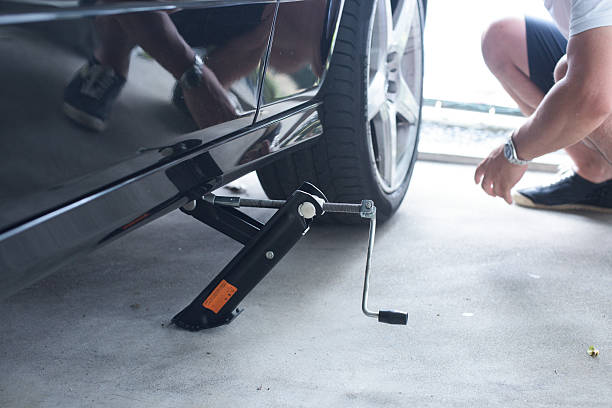
(ThyBlackMan.com) You can look at a tool label in a store and see a dry little number stamped into metal or printed on a box. Two tons. Three tons. Six thousand pounds. It seems harmless, almost boring. But when you are crouched beside a vehicle, gravel pressing through your knees, your hands dirty, your heart moving a little faster than usual, that number stops being abstract. It becomes trust. It becomes consequence. It becomes the thin line between a safe repair and a life-changing mistake.
That is why weight ratings are never “just numbers.” They are promises, warnings, and limits all wrapped into one. If you use car jacks, you are not simply lifting steel. You are managing risk, protecting your body, and making sure the machine above you does not become a disaster in a split second.
Understanding that reality can make you a more careful driver, a smarter vehicle owner, and a far safer person in the garage or on the roadside.
Why Weight Ratings Matter More Than You Think With car jacks
A weight rating tells you the maximum load a tool is designed to handle safely under proper conditions. That sounds straightforward, but real life is rarely that tidy. Vehicles are heavy in uneven ways. A truck loaded with gear does not behave like an empty sedan. A slightly sloped driveway changes the equation. So does soft ground. So does rushing.
When you use car jacks, you are often not lifting the entire vehicle at once, but that does not mean the rating can be treated casually. People sometimes assume that “close enough” is good enough. It is not. The rating is there because engineers know metal flexes, seals fail, balance shifts, and human beings make small mistakes when they are distracted or tired.
Think about how often people associate numbers with paperwork rather than danger. There was a mechanic’s helper at a neighborhood shop who used to associate rating labels with legal fine print, the kind of thing nobody really reads. Then one afternoon, he watched a senior technician stop everything over a mismatched jack. No shouting. No drama. Just a calm, immediate refusal to continue. That moment stayed with him. He later said it was the first time he understood a weight label was not there to decorate the tool. It was there to protect the person using it.
That shift in mindset matters. If you treat ratings as sacred boundaries instead of suggestions, you dramatically reduce the chance of catastrophic failure.
How to Read Vehicle and trolley car jack Ratings Correctly
The first step is knowing your vehicle’s weight. You can find this in the owner’s manual, on the driver-side door placard, or through manufacturer specifications. You should pay attention to gross vehicle weight, curb weight, and whether the car is carrying passengers or cargo. Those details matter more than many people realize.
The second step is checking the rating on your trolley car jack or other lifting equipment. This number should never be guessed at. If the label is worn off, unreadable, or suspicious, that tool should not be trusted until the specification is confirmed. Guesswork has no place under several thousand pounds of metal.
The third step is understanding that your jack is only one part of a safe lifting setup. Jack stands matter. Ground conditions matter. Lift points matter. A strong tool used incorrectly can still fail in practice. A rated tool placed on unstable terrain becomes part of an unstable system.
And this is where emotion sneaks in, because safety errors are often painfully human. People hurry because rain is coming. People improvise because the store is closed. People ignore the manual because they have done it “a hundred times.”
Sometimes people even try to preempt trouble in exactly the wrong way. One driver, trying to preempt a roadside delay before dark, decided to jack up his SUV quickly on the shoulder without checking the ground firmness. He thought speed would protect him. Instead, the rush nearly created the problem he was trying to avoid. The base shifted, the vehicle tilted, and only pure luck kept the moment from turning tragic. Trying to stay ahead of danger only works when caution comes first.
Common Mistakes That Turn a Simple Lift Into a Serious Risk
Many accidents happen not because people know nothing, but because they know just enough to feel confident. That can be the most dangerous place of all.
One common mistake is underestimating actual weight. A vehicle may weigh more than expected because of tools, cargo, modifications, or towing equipment. Another is choosing convenience over compatibility. Not every jack suits every vehicle height, frame design, or repair task.
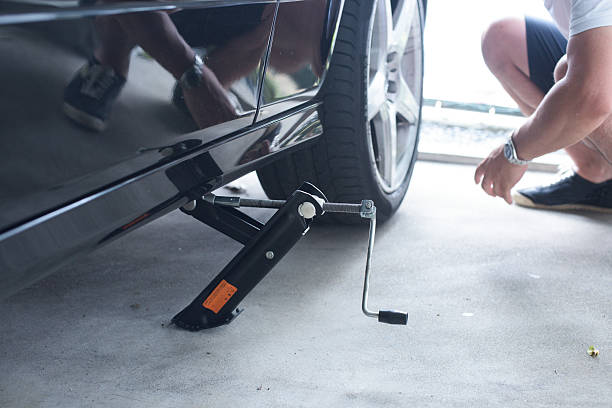
Another major mistake is relying on car jacks alone while working underneath a vehicle. This is never the standard you should accept. Hydraulic systems can leak. Mechanical parts can slip. Seemingly solid setups can change under load. Backup support is not optional; it is essential.
Then there is the subtle danger of bad advice. A friend, a neighbor, an online comment—sometimes people can inveigle you into trusting shortcuts because they sound experienced and relaxed. There was a young car owner once who got inveigled by an older acquaintance into using a bargain-bin tool for a heavier crossover. The pitch was smooth: “It’ll hold for a minute, no problem.” That “minute” was long enough for fear to take over when the jack groaned and dipped. Nothing terrible happened, thankfully, but the lesson was unforgettable. Confidence is not the same as competence.
Choosing Safer Equipment and Building Better Habits With a trolley car jack
Good equipment creates peace of mind, but good habits are what truly keep you safe. If you use a trolley car jack, choose one with a rating comfortably above the load you expect to lift. Inspect it regularly. Look for leaks, cracks, bent components, corrosion, and worn wheels. If anything seems off, do not rationalize it away.
Use the correct lift points recommended by the vehicle manufacturer. Work on level, solid ground. Set the parking brake. Chock the wheels still on the ground. Lift slowly. Watch for shifting. Support the vehicle properly before doing any work beneath it.
Most importantly, never let familiarity make you casual. The routine jobs are the ones that tempt people into skipping steps. A quick tire swap. A fast brake check. A simple look underneath. These are exactly the moments when discipline matters most, because nothing feels dramatic—until it suddenly is.
Weight ratings may look cold and technical, but their purpose is deeply human. They are there because your safety matters. Your family matters. Your future matters. A stamped number on a tool is not trying to inconvenience you. It is trying to speak plainly in a situation where mistakes can be permanent.
So the next time you see a rating label, pause. Read it. Respect it. Let it slow you down just enough to do the job right. Because when metal rises and gravity waits, numbers stop being numbers. They become responsibility, and they become care.
Staff Writer; Willie Jacobs




Post comments (0)